
Samples are the bridge between idea and production. When you understand what drives product sampling cost, you can budget better, move faster, and avoid surprises.
Submit Request*It's Free. No credit card required.
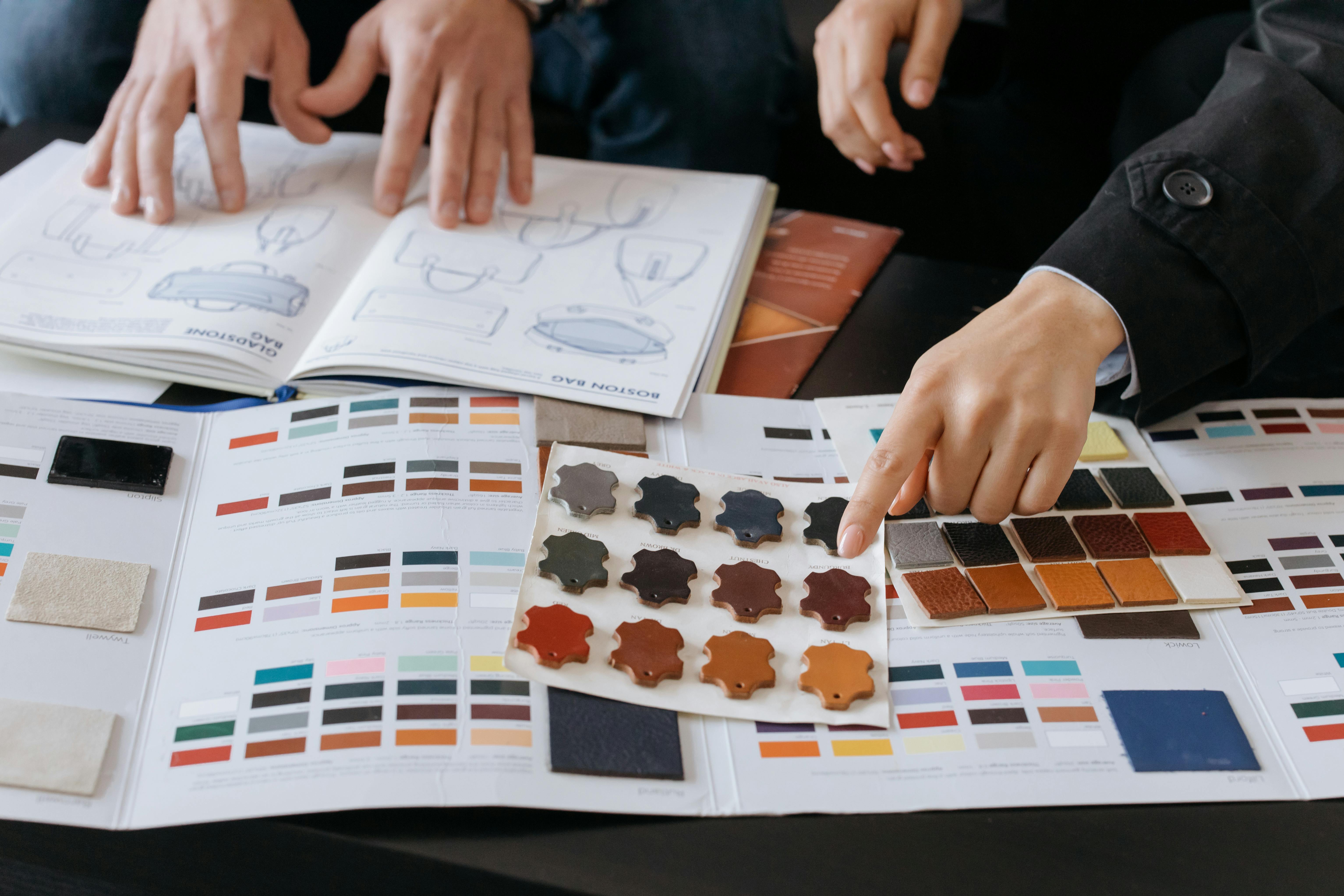
A product sample is a pre-production version made to your specifications. It's how you check if the factory can deliver what you imagined.
Check materials, stitching, printing, or formulation are correct.
Confirm the factory has understood your brief.
See if the product looks and feels like your brand.
Compared to the risk of a wrong bulk order, product sampling cost is usually a small price for clarity.
Understanding sample types helps you read quotes and prototype cost correctly.
First versions of a new or customised product. Higher cost due to R&D and trial-and-error.
Made once you're close to final spec. Used to confirm last-mile details.
The final reference used by you and the factory as the standard for QC during bulk.
*Each type may appear differently in a sample cost estimate, depending on how your supplier quotes.
Sample unit costs often look high because you're paying for setup, learning, and speed on just a few pieces.
Sample cost breakdown components
Many brands are surprised when one sample costs several times the projected bulk unit price.
Different purpose, different economics.
You can't remove sampling cost entirely, but you can manage it.
Sourcy's role is to make sampling structured and purposeful, not random and expensive.
Clarify brief, budget, and success criteria.
Run focused sampling with realistic prototype cost.
Approve golden sample and move to bulk.
If you're planning new SKUs and want help turning ideas into samples without losing control of cost and timelines, Sourcy can help.
Strong samples today, scalable production tomorrow.